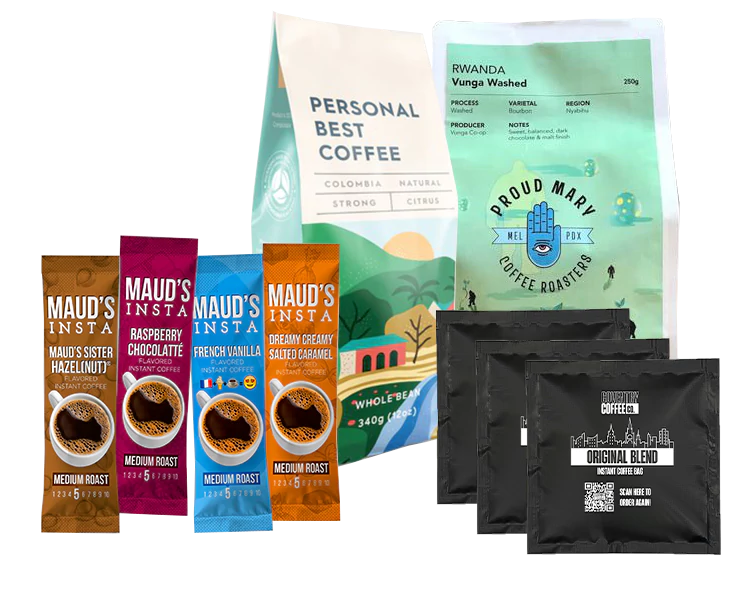
Foil lining improves premium custom coffee packaging by limiting oxygen, moisture, light, and external odor exposure. Multilayer foil structures can reduce oxygen transmission to below 0.1 cm³/m²/day, helping roasted coffee maintain aroma compounds during storage periods of 6–12 months. For specialty coffee brands, foil-lined bags support freshness, consistent flavor, and reliable transportation performance.
Roasted coffee contains hundreds of volatile aroma compounds created during the roasting process, but many of them are sensitive to oxygen and moisture. After roasting, coffee continues releasing carbon dioxide through degassing, while oxygen exposure accelerates oxidation of oils and aromatic molecules. Packaging materials with poor barrier performance can reduce flavor quality within weeks, especially for light and medium roast specialty coffees.
Coffee quality is affected by packaging conditions because oxygen, humidity, and light exposure continue after the roasting process ends.
Foil lining is widely used in premium coffee bags because aluminum foil creates a strong barrier layer. A typical structure such as PET/aluminum foil/PE combines different materials to provide strength, print quality, sealing performance, and protection. Aluminum layers are often only 7–12 microns thick but can block light transmission close to 100% and significantly reduce oxygen movement.
The performance difference between packaging materials can be seen through barrier testing. Oxygen transmission rate (OTR) is commonly measured to evaluate how much oxygen passes through packaging over time.
| Packaging Structure | Oxygen Barrier Level | Common Usage |
|---|---|---|
| Paper bag | Low | Short storage coffee products |
| Single-layer plastic | Medium | Basic roasted coffee |
| PET/PE laminate | Improved | Standard retail coffee |
| PET/AL/PE laminate | Very high | Premium specialty coffee |
Moisture protection is another reason foil lining is selected for high-quality coffee packaging. Roasted beans naturally absorb water from surrounding air, and changes in moisture content can influence grinding consistency and extraction results. Packaging studies show that moisture transfer increases significantly when materials lack aluminum barrier layers, especially under storage conditions above 60% relative humidity.
The protection provided by foil lining becomes more important when coffee travels through different climates. Specialty coffee is often shipped from producing regions to markets in North America, Europe, and Australia, where transportation may involve temperature changes and long storage periods. A packaging structure with strong moisture and oxygen resistance helps maintain product quality during distribution.
A premium coffee bag is not only a container; it controls the environment around the roasted beans.
Light exposure can also affect coffee freshness. Ultraviolet and visible light contribute to oxidation reactions that change coffee oils and flavor compounds. Transparent packaging may allow customers to see the beans, but it provides limited protection compared with foil-based structures. Aluminum foil blocks almost all light penetration, making it suitable for products designed for longer shelf periods.
The connection between foil lining and valve technology is also important. Freshly roasted coffee releases carbon dioxide, and sealed packaging without gas release control may expand or lose sealing performance. One-way valves allow CO₂ to leave while preventing outside oxygen from entering.
For this reason, many specialty brands use valve bags for roasted coffee with foil structures to combine gas release and long-term protection. These bags are commonly used for freshly roasted beans because they support degassing while maintaining a low-oxygen internal environment.
| Feature | Function in Coffee Packaging |
|---|---|
| Aluminum foil layer | Blocks oxygen, moisture, and light |
| One-way valve | Releases CO₂ after roasting |
| PET layer | Improves strength and printing quality |
| PE layer | Provides heat sealing ability |
| Zipper closure | Allows repeated opening and closing |
Custom coffee packaging also depends on foil lining because premium brands often use detailed printing and special finishes. Foil-based structures provide a stable surface for high-resolution graphics, matte finishes, metallic effects, and brand information. Packaging appearance can influence customer expectations before tasting, especially in specialty coffee markets where origin and roasting style are important.
Research on food packaging has shown that consumers often associate stronger packaging protection with better product quality. A 2021 packaging study involving more than 500 consumers found that barrier performance and package appearance both affected purchase preference, especially for premium food categories.
Foil lining also helps maintain coffee freshness during extended shelf periods. Many commercial coffee products are designed for 6–12 months of storage, and packaging must reduce changes during this period. Compared with basic plastic packaging, foil laminate bags provide much lower gas permeability, helping preserve aroma compounds and reduce oxidation-related flavor changes.
The packaging material influences how much of the original roasting profile reaches the final customer.
The production method of foil coffee bags also affects final performance. Manufacturers usually combine layers through adhesive lamination, creating a uniform structure without gaps between materials. Quality checks may include seal strength testing, oxygen transmission testing, moisture resistance testing, and drop testing to confirm packaging reliability.
For premium coffee companies, these tests help maintain consistency across different batches. A packaging failure rate below 1% is often targeted in high-quality food packaging production because damaged seals or weak barrier areas can affect entire product shipments.
Sustainability has become an additional consideration in coffee packaging development. Traditional foil laminate structures provide excellent protection but are more difficult to recycle because multiple materials are combined. In recent years, packaging manufacturers have developed thinner aluminum layers and improved recyclable barrier films to reduce material usage while maintaining performance.
The balance between protection and environmental goals continues to influence packaging choices. Some brands select high-barrier recyclable films, while others continue using foil laminates for products that require maximum freshness protection. The choice depends on coffee type, shelf life requirements, transportation distance, and brand positioning.
Premium coffee products often involve higher production costs because of specialty beans, controlled roasting methods, and careful processing. Packaging protects this investment by reducing quality changes after production. Without sufficient barrier protection, even high-grade coffee may lose aroma intensity before reaching consumers.
A well-designed foil-lined package preserves the connection between roasting quality and the final drinking experience.
Foil lining remains widely used in premium custom coffee packaging because it combines strong oxygen resistance, moisture control, light protection, and compatibility with modern valve systems. With specialty coffee markets expanding after 2020 and consumers paying more attention to freshness and quality, high-barrier packaging continues to be an important part of coffee product development.